How is B2B marketing in life sciences different from traditional B2B?

Why generic B2B marketing frameworks fail in life sciences
You ran the playbook. Punchy value proposition, gated ebook, nurture sequence, retargeting ads. It worked for the SaaS company your generalist agency served before you. In your biotech, it produced traffic, a few downloads, and zero conversations with the people who actually sign purchase orders.
The formats are not the problem. An ebook can work in life sciences; so can nurture flows and campaigns. What fails is the logic imported with them. This is not an execution problem. It is a structural one.
What is B2B marketing?
B2B marketing (business to business marketing) means promoting products and services from one company to another, rather than to individual consumers. The buyer is an organization, the decision involves multiple people, and the purchase serves a business need.What is life sciences B2B marketing?
Life sciences B2B marketing applies this to scientific products and services sold to expert buyers such as researchers, lab managers and R&D leaders. Unlike most traditional B2B markets, purchase decisions are driven by scientific evidence, technical validation and regulatory constraints rather than by persuasion, urgency or brand promises.
Most B2B frameworks assume a buyer who can be persuaded. Life sciences buyers are trained to resist persuasion. Their entire professional formation is built on questioning claims, checking methods and demanding evidence. Techniques that create momentum in other industries (urgency, FOMO, bold promises) actively destroy credibility here.
Two rules make this concrete, and most life sciences companies keep fighting both instead of building for them.
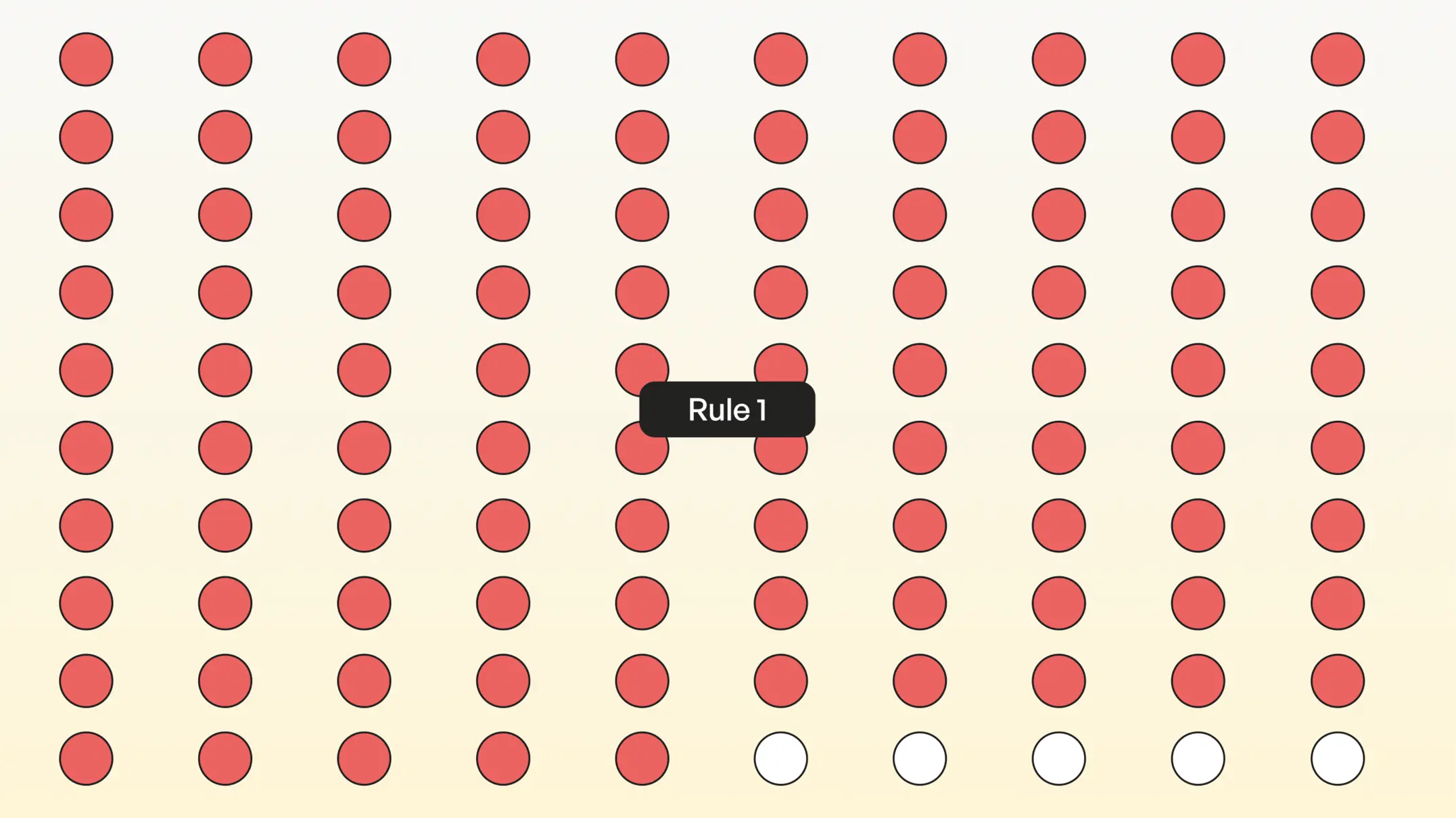
Rule 1: 95 % of your market is not buying today. The 95-5 rule, formulated by professor John Dawes at the Ehrenberg-Bass Institute, applies to B2B in general: at any given moment, only about 5 % of your potential buyers are in-market (https://marketingscience.info/news-and-insights/the-955-rule-is-the-new-6040-rule). The other 95 % will buy eventually, from whoever they remember when the need arrives. In life sciences, long purchase cycles stretch that "eventually" even further.
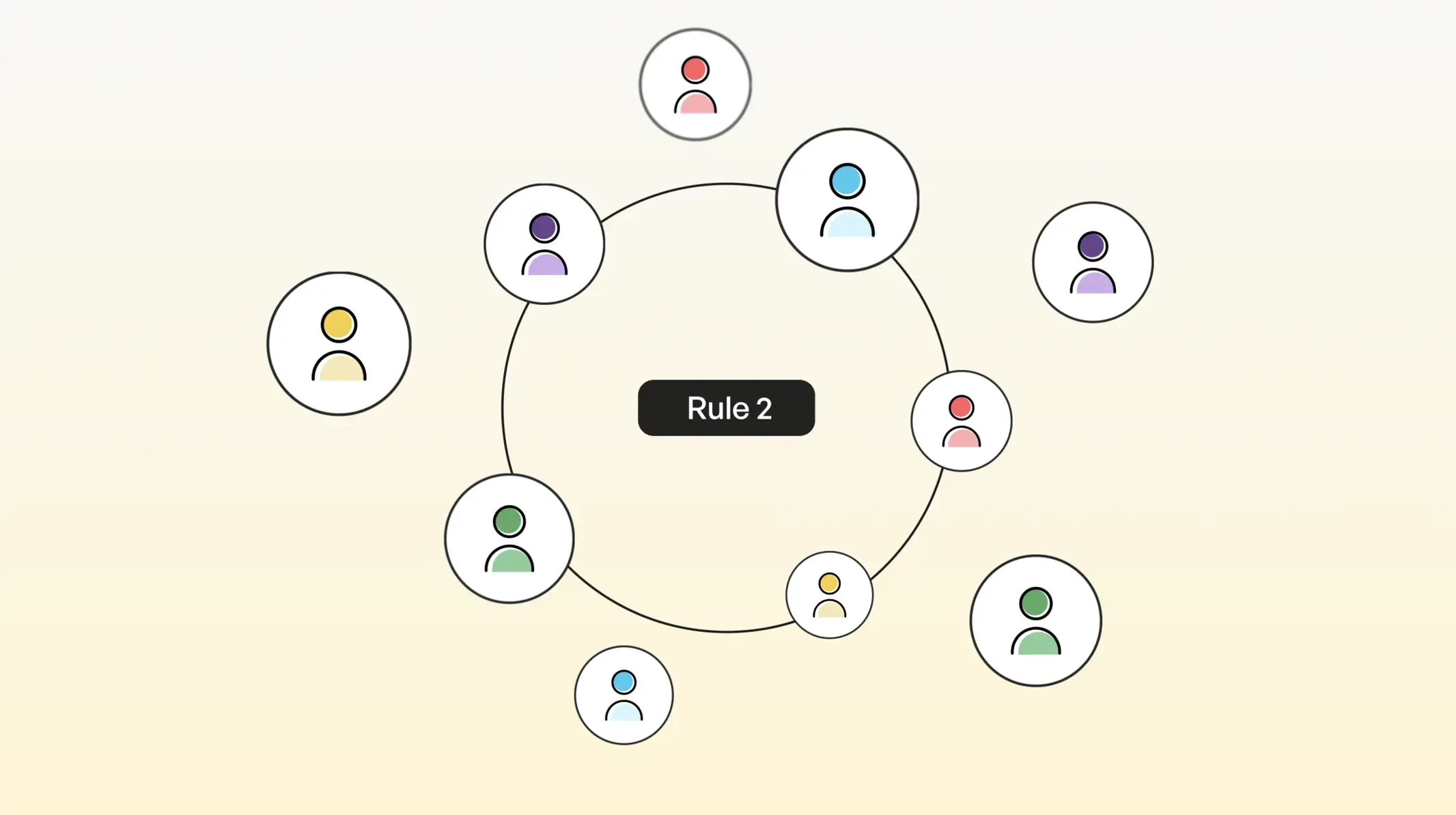
Rule 2: the sales cycle is long, technical and involves many people. The average enterprise B2B purchase is decided by a multi-stakeholder buying committee of 5 to 11 people across five distinct business functions, according to Gartner's B2B Buyer Survey (https://emt.gartnerweb.com/ngw/globalassets/en/sales-service/documents/trends/gartner-b2b-buying-report.pdf). In life sciences those people include PhDs who will read your technical documentation line by line, and decisions routinely stretch across many months or more than a year, tied to long validation cycles, annual budgets and, in academia, grant calendars.
Add the constraints of marketing in regulated industries, where every claim must be defensible, and the gap with standard playbooks widens further.
Traditional B2B vs life sciences B2B
Dimesion | Traditional B2B | Life sciences B2B |
|---|---|---|
Typical buyer | Business generalist, manager | Scientist, lab manager, R&D or procurement with technical training |
What builds trust | Brand, social proof, testimonials | Data, peer-reviewed evidence, technical validation |
Reaction to hype | Tolerated, sometimes effective | Erodes credibility fast |
Sales cycle | Weeks to a few months | Many months to years, tied to validation and budgets |
Budget logic | Quarterly targets, discretionary spend | Annual budgets, capital approvals, grant cycles in academia |
Cost of a wrong purchase | Wasted budget | Failed experiments, regulatory setbacks, lost publications |
Content that converts | Case studies, ROI decks, demos | Evidence-based content, whatever the format |
The consequence: a framework designed to compress attention and force decisions will underperform in a complex B2B sales environment where attention is earned slowly and decisions are, by design, slow. This is the defining trait of high-complexity B2B marketing, and life sciences sits at its extreme.
Who is the scientific buyer in life sciences markets?
The scientific buyer is the single biggest difference between life sciences and most other B2B verticals. They follow the same technical decision-making process a researcher applies to their own work: hypothesis, evidence, validation, conclusion. Six traits define it.
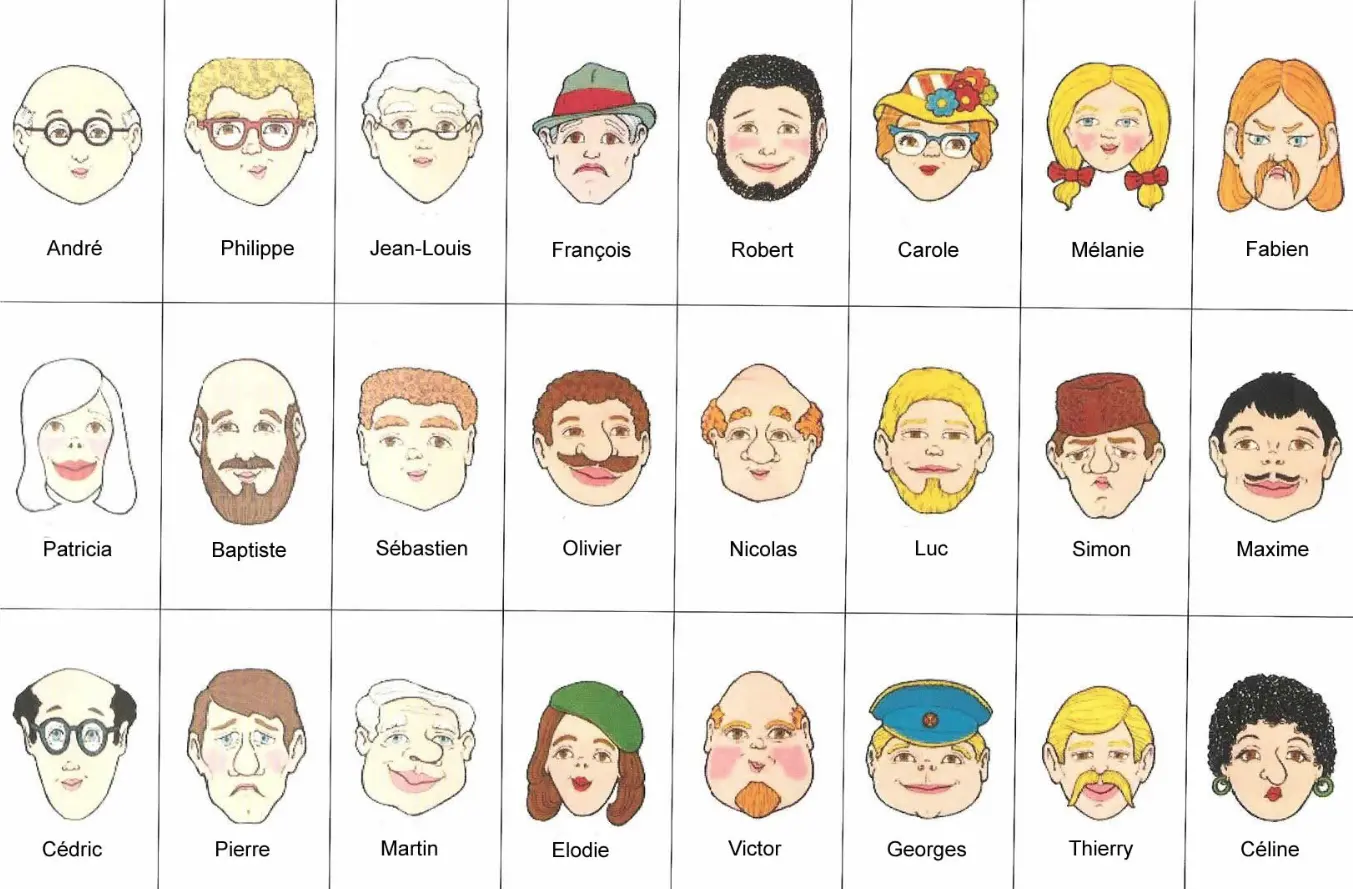
They evaluate methods before conclusions. A scientist reading your case study does not start with the headline result. They look for how you got there: sample size, controls, conditions, reproducibility. Marketing content that shows only outcomes reads as incomplete. Content that shows the method reads as honest.
They are allergic to unbacked hype. "Revolutionary", "game-changing", "breakthrough". In most industries these words are noise. In life sciences they are a claim to verify: if the data behind them holds, no problem. If it doesn't, the researcher assumes the rest is weak too, because in their world strong data rarely needs adjectives.
Peer review is their currency of credibility. A citation in a published paper is worth more than any testimonial. A poster at a relevant conference is worth more than a paid placement. If your product appears in the methods section of someone else's publication, that is marketing you cannot buy.
Their money moves differently. In private companies, budgets follow annual planning, capital approvals and project milestones. In academia, grant cycles add another layer. Either way, a perfectly timed campaign can still land six months before there is money to spend. This is the 95-5 rule at its sharpest: life sciences marketing has to build memory, not urgency, because the buyer decides when the window opens.
They do their homework before talking to you. Scientific buyers will check your claims against literature, ask colleagues, and test your documentation before a first call. By the time they contact sales, the evaluation is mostly done. Your content did the selling, or it didn't.
They are still people. A PhD scrolls LinkedIn like everyone else, skims before reading, and shares what is clear and useful. Rigor gets you trusted; clarity gets you read. The companies that win at life sciences marketing do both: serious science underneath, digestible delivery on top.
What core principles define effective B2B marketing in life sciences?
Each principle below is a direct consequence of the market structure described above: an expert buyer, a multi-stakeholder committee, long validation cycles and a regulated environment. They are not best practices imported from general B2B. They are what remains when you remove everything that structure makes ineffective.

The 5 fundamentals of life sciences B2B marketing
Back every claim with evidence. Evidence-based marketing does not mean opening every piece with a data table. A LinkedIn post can lead with a hook; a case study can lead with the result. What it means is that behind every claim there is data the reader can reach, because both your buyer and, in regulated environments, the regulator can ask for it. If a statement cannot be backed, rework it or remove it.
Write for expertise, then translate for attention. The standard advice to "simplify for your audience" backfires here: your reader may know more about the underlying science than you do. Clarity yes, dumbing down no. But precision does not mean PDF-only. The same rigorous content, repackaged as a ninety second LinkedIn post or a visual snippet, travels much further.
Match the buying cycle, not the fiscal quarter. Plan campaigns around budget seasons, conference calendars and, where academia matters to your market, grant deadlines. Sustained presence beats bursts of activity, because you cannot predict when a specific buyer's window opens.
Build scientific credibility that lives outside your website. Fundamental 1 covers your own evidence; this one covers validation you do not control. Publications, conference posters, named collaborations, your product cited in someone else's methods section. External proof carries a weight your own content never will, because your buyer knows you did not write it.
Sell to the whole lab, not to one persona. The researcher validates the science, the lab manager evaluates workflow and support, procurement checks cost and compliance, the director approves. Each needs different evidence in a different format. One generic message reaches no one.
The test for each fundamental: replace "life sciences" with "SaaS" and the advice should stop making sense. Simplification, urgency and persona-based funnels work in generic SaaS. Here, they don't.
How to adapt your B2B marketing for scientific audiences
Start with an honest look at where your pipeline comes from. For most life sciences companies the answer is conferences and referrals: the trust channel works, the marketing channel doesn't. That is a solid foundation, but it caps your growth at the size of your network and your event calendar.
Then build the two engines this market structure demands:
Content that builds authority in your niche. Your papers, posters, application notes and project stories are raw material. Turn them into formats your buyers actually consume: LinkedIn posts a busy scientist reads in ninety seconds, short technical explainers, case studies with real data, an ebook when the topic deserves depth. This is how you stay in the memory of the 95 % who are not buying yet.
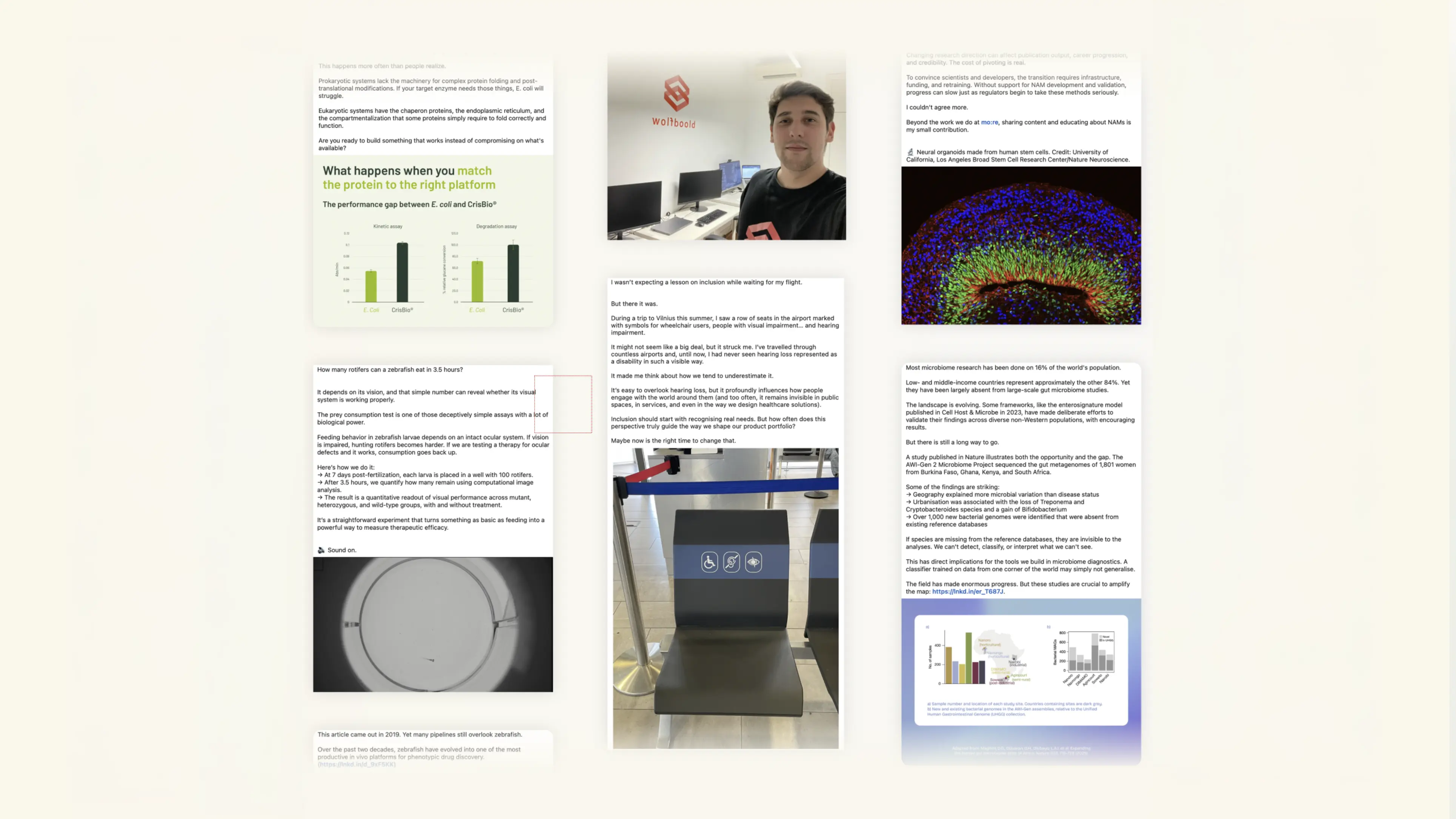
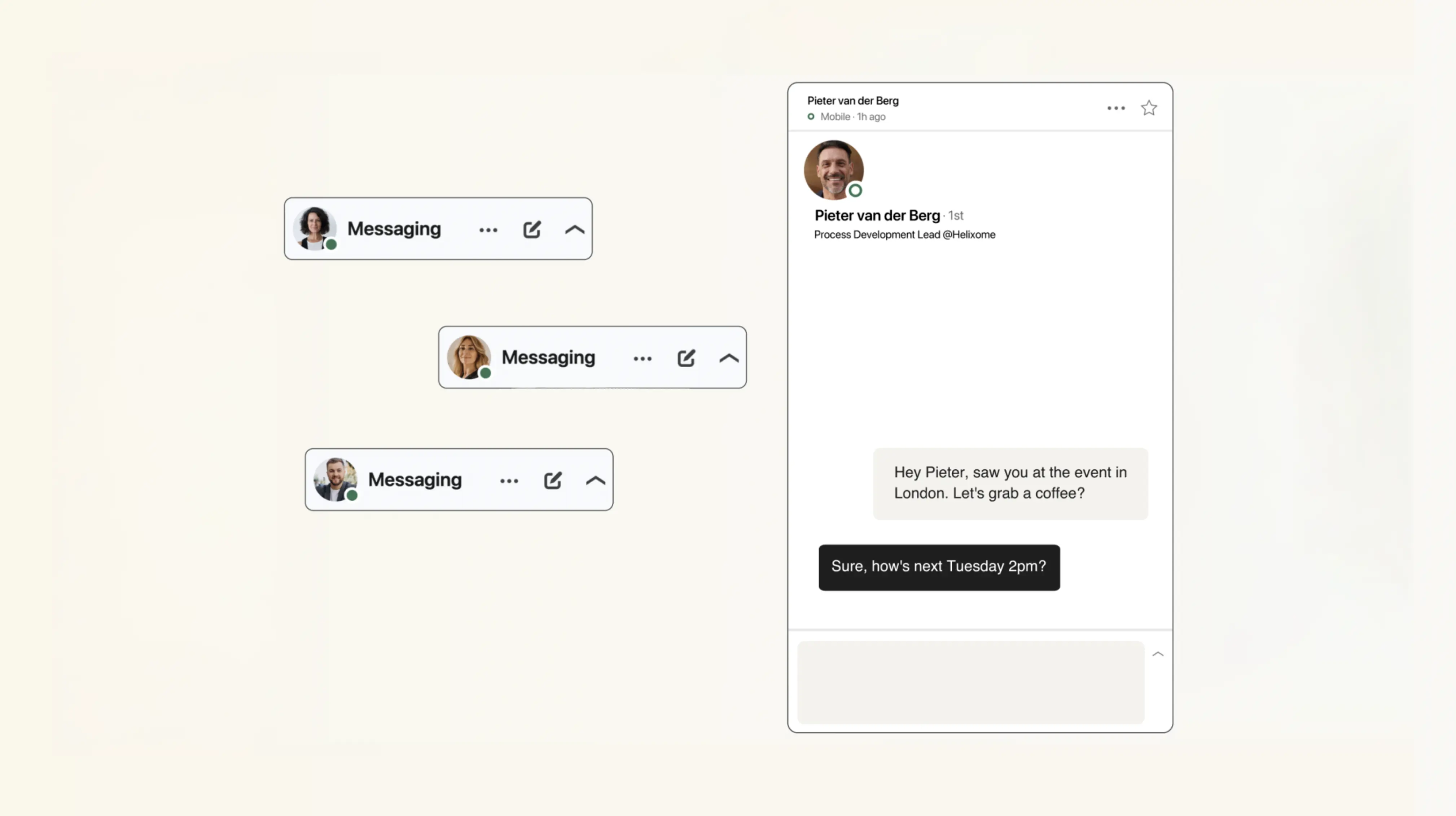
Campaigns that open conversations with decision-makers. B2B sales opportunities in life sciences live on LinkedIn and email, so go deep on both: outreach segmented by role in the buying committee, sustained cadence instead of quarterly bursts, and qualification so your team only spends time on real interest. This is how you show up for the 5 % whose window is open.
The teams best positioned to do this are the ones that think like their buyers. Simbionte is a life sciences marketing agency built by scientists: we do marketing as researchers, not as marketers learning science. If you are rethinking how your marketing reaches scientific audiences, we are happy to compare notes.
A note on the comparisons in this article. Every contrast here simplifies: there are traditional B2B buyers who demand hard evidence, and life sciences buyers who decide fast on trust. We generalize on purpose. The point is that these are different animals, and life sciences deserves a marketing approach designed for it, not adapted to it. That is not theory: it is the pattern we have seen again and again working with our clients across life sciences.